



Restoration of baby and permanent teeth
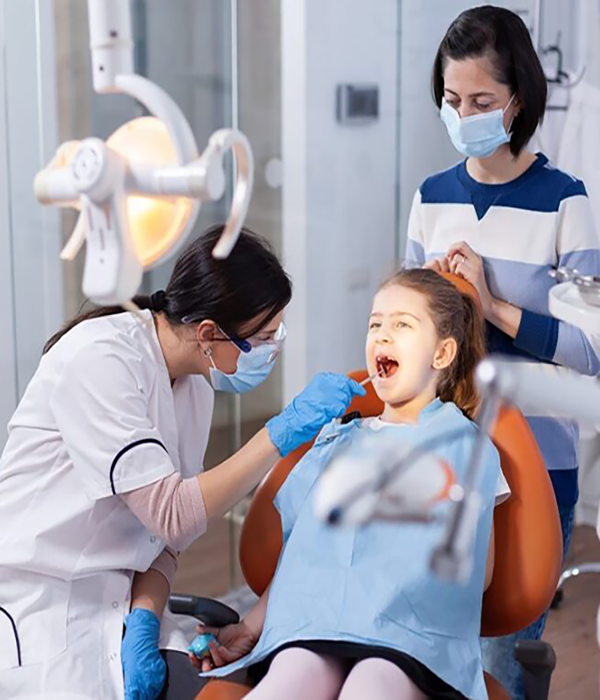
As a parent, your child’s health and beautiful smile are your top priorities. At Dental Care, we are committed to providing high-quality dental care for children of all ages, from newborns to teens. We focus on creating a calm and friendly environment so that children feel comfortable and safe.
Children’s teeth, whether baby (primary) or permanent, play a very important role in oral health, nutrition, jaw development, and speech. Parents often assume that baby teeth don’t require much care because they are temporary, but this misconception can lead to serious problems with your child’s oral health. Treating and restoring baby and permanent teeth not only helps improve oral function, but also prevents more complex problems from occurring in the future.
In this comprehensive article, we will discuss the importance of restoring baby and permanent teeth, the different treatment methods, the benefits, and care tips. We will also answer common questions parents have about this topic so that you can make the best decision for your child’s oral health.


Common problems with baby teeth

Dental Caries
Tooth decay is common in children and can be caused by excessive consumption of sweets, sugary drinks, and poor oral hygiene.

Dental Abscess
A tooth abscess is a painful infection at the root of a tooth that can be caused by untreated decay.

Dental Trauma
A tooth abscess is a painful infection at the root of a tooth that can be caused by untreated decay.

Why is it necessary to restore baby teeth?
Baby teeth don’t just play a temporary role in a child’s mouth. They have long-term effects on overall oral health, how permanent teeth erupt, and even facial shape. Some important reasons to restore baby teeth include:
Maintaining space for permanent teeth
Baby teeth help the jaw and face develop properly. Baby teeth act as space holders for permanent teeth. If baby teeth are lost prematurely due to decay or injury, the space needed for permanent teeth to grow in is lost, which can lead to crooked teeth and the need for orthodontics in the future.
Tooth decay is common in children and can be caused by eating too many sweets, sugary drinks, and poor oral hygiene.
Preventing the spread of infection
Decay in baby teeth can lead to infections and abscesses. These infections may also damage the developing permanent teeth and cause more serious problems.
Improving nutrition and speech
Baby teeth play a role in the correct pronunciation of words. Baby teeth help a child chew food properly and pronounce words clearly. Early loss of baby teeth may affect a child’s eating and speech.
Tooth decay is common in children and can be caused by excessive consumption of sweets, sugary drinks, and poor oral hygiene.
Common problems with permanent teeth
Dental Caries
Tooth decay is also common in permanent teeth.
Periodental Disease
Gum disease can lead to tooth loss.
Malocclusion
Crooked teeth can cause problems with chewing, speaking, and aesthetics.


Permanent tooth restoration: Why is it important?
Permanent teeth, as their name suggests, are meant to last a lifetime. Damage to these teeth during childhood can have serious effects on long-term oral health. Permanent tooth restoration is important for the following reasons:
Preventing the spread of decay
If left untreated, permanent tooth decay can penetrate the tooth's nerve, leading to the need for more complex treatments such as root canals or even tooth extraction.
Maintain dental function
Permanent teeth are essential for proper chewing and better digestion. Loss or damage to these teeth can disrupt oral function.
Preventing cosmetic and psychological
problems Damaged or missing permanent teeth can affect a child's appearance and reduce their self-confidence.
Preventing jaw and orthodontic problems
Healthy permanent teeth help the jaw develop properly and prevent crooked teeth.
Methods for restoring primary and permanent teeth
In pediatric dentistry, there are various methods for repairing damaged teeth. The choice of the appropriate method depends on the type of damage, its severity, and the age of the child. Below are some of the common methods for repairing primary and permanent teeth:
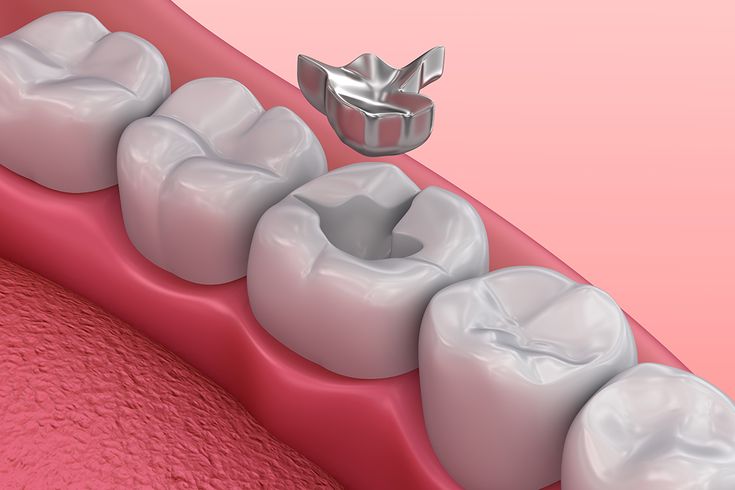
Dental fillings
(composite or amalgam)
Fillings for baby teeth:
Tooth-colored materials (composite) or metal materials (amalgam) are used to fill cavities caused by decay.
Fillings for permanent teeth:
In permanent teeth, we usually use tooth-colored composites to not only treat but also maintain the beauty of the tooth.
Pulpectomy of baby teeth (pulpotomy or pulpectomy)
If the decay has penetrated the nerve of the baby tooth, a root canal may be necessary. This treatment involves removing the damaged part of the nerve and filling it with a special material. Pulpotomy is a treatment method to save a baby tooth in which the infected part of the tooth pulp is removed and the healthy part is preserved. In a pulpectomy, in case of severe infection of the tooth pulp, the complete root canal is performed to the end of the root.
Baby tooth crowns or steel crowns (SSC)
In cases where the tooth is severely damaged, the use of a metal crown or stainless steel crown can protect the baby tooth and maintain its function. Stainless Steel Crowns are an affordable and durable option for baby teeth.
Treatment of fractures or traumatic injuries
Traumatic injuries to permanent or baby teeth may require restoration with crowns, bonding of broken parts, or even root canal treatment.
Fluoride therapy and fissure sealants
Fluoride therapy and fissure sealants are among the most effective ways to prevent tooth decay in children. Fissure sealants are a protective coating that is placed on the chewing surface of molars to prevent decay.
When should permanent teeth be restored?
Baby and permanent teeth should be restored as soon as the first signs of decay or damage are seen. Restoration at an early stage is both less expensive for the patient and easier for the child to cope with. Also, if pain or infection occurs, the child should see a dentist immediately.
Post-treatment care for children's teeth
Maintaining oral hygiene
Brushing at least twice a day with fluoride toothpaste
Flossing to clean between teeth
Healthy diet
هReduce sugar and sweet foods
Consume fresh fruits and vegetables
Regular dental checkups
Regular visits to the dentist to check the condition of your teeth and prevent new problems.
Teaching your child good habits
Teaching how to brush your teeth properly and the importance of taking care of your teeth


Frequently asked questions about children's dental restorations
Yes, baby teeth play an important role in jaw development, maintaining space for permanent teeth, and preventing more complex problems.
Using local anesthesia and modern dental techniques, the dental filling process for children is painless and comfortable.
The cost depends on the type of treatment, the materials used, and the severity of the damage. The cost of restoring primary and permanent teeth varies depending on the type of restorative material and the complexity of the procedure. However, the cost of restoring teeth is generally less than the cost of more complex treatments. We strive to restore the teeth of our loved ones with the best materials at the most reasonable cost.
In these cases, the dentist may use a space maintainer to maintain the space needed for the permanent tooth to grow in.
To prevent tooth decay in both baby and permanent teeth, your child should:
• Brush their teeth regularly
• Use toothpaste containing fluoride
• Avoid sweets and sugary drinks
• Visit the dentist regularly
Conclusion
Restoring baby and permanent teeth in children is one of the most important parts of pediatric dentistry that can ensure your child’s oral and dental health in the long term. With awareness and cooperation with the dentist, parents can prevent more complex problems and bring a healthy and beautiful smile to their child. By choosing an experienced pediatric dentist and using modern treatment methods, you can ensure that your child’s teeth are maintained in the best possible condition. Contact us for more advice and to schedule an appointment!